


Installing Efficient Heating and Cooling Systems

When it comes to keeping your space comfortable all year round, having an efficient heating and cooling system is a game-changer. Whether you’re upgrading your home or outfitting an industrial space, the right HVAC setup can save you money, boost comfort, and reduce energy waste. I’m excited to share some practical tips and insights to help you navigate the process of installing an efficient system that fits your needs perfectly.
Why Efficient HVAC Installation Matters
Choosing and installing an HVAC system isn’t just about picking the fanciest model. Efficiency plays a huge role in how well your system performs and how much it costs you in the long run. An efficient system uses less energy, which means lower utility bills and a smaller carbon footprint. Plus, it keeps your indoor environment cozy in winter and refreshingly cool in summer without constant repairs or breakdowns.
Here’s why you should care about efficiency:
Energy savings: Efficient systems consume less power.
Comfort: They maintain consistent temperatures.
Longevity: Proper installation extends system life.
Environmental impact: Reduced emissions help the planet.
Investing in quality installation ensures you get the most out of your HVAC system. It’s not just about the equipment but how it’s set up and maintained.
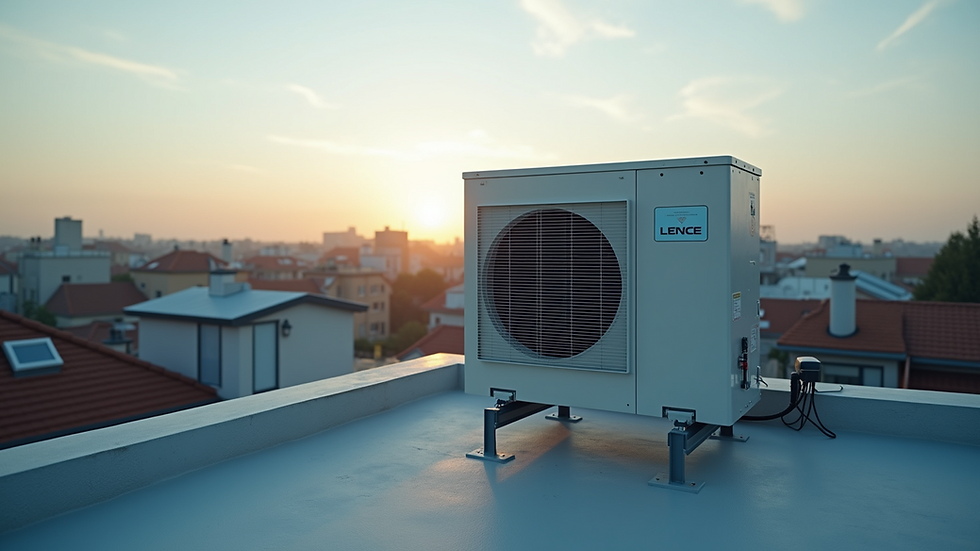
HVAC Installation Tips for a Smooth Setup
Getting your heating and cooling system installed right the first time is crucial. Here are some of my top HVAC installation tips to keep in mind:
Choose the right size
Bigger isn’t always better. An oversized system wastes energy and cycles on and off too frequently. A professional load calculation will determine the perfect size for your space.
Pick energy-efficient models
Look for units with high SEER (Seasonal Energy Efficiency Ratio) and AFUE (Annual Fuel Utilization Efficiency) ratings. These numbers indicate how well the system converts energy into heating or cooling.
Work with certified professionals
Installation requires skill and experience. Certified technicians know local codes, safety standards, and best practices.
Plan ductwork carefully
Leaky or poorly designed ducts reduce efficiency. Make sure ducts are sealed, insulated, and sized correctly.
Consider smart thermostats
These devices optimize temperature settings and can save you money by adjusting heating and cooling based on your schedule.
Schedule regular maintenance
Keep your system running smoothly with seasonal check-ups and filter changes.
Following these tips will help you avoid common pitfalls and enjoy a system that performs well for years.
Understanding Your Options: Types of Heating and Cooling Systems
There’s no one-size-fits-all when it comes to HVAC. Knowing your options helps you make an informed choice.
Furnaces: Great for cold climates, furnaces heat air and distribute it through ducts. They can run on gas, oil, or electricity.
Heat pumps: These versatile units provide both heating and cooling by transferring heat between indoors and outdoors. They’re energy-efficient and ideal for moderate climates.
Air conditioners: Focused on cooling, AC units remove heat from inside your space and release it outside.
Boilers: Use hot water or steam to heat your home, often through radiators or underfloor heating.
Hybrid systems: Combine a furnace and heat pump to optimize efficiency depending on the season.
Each system has pros and cons depending on your building size, climate, and budget. A professional assessment can help you pick the best fit.
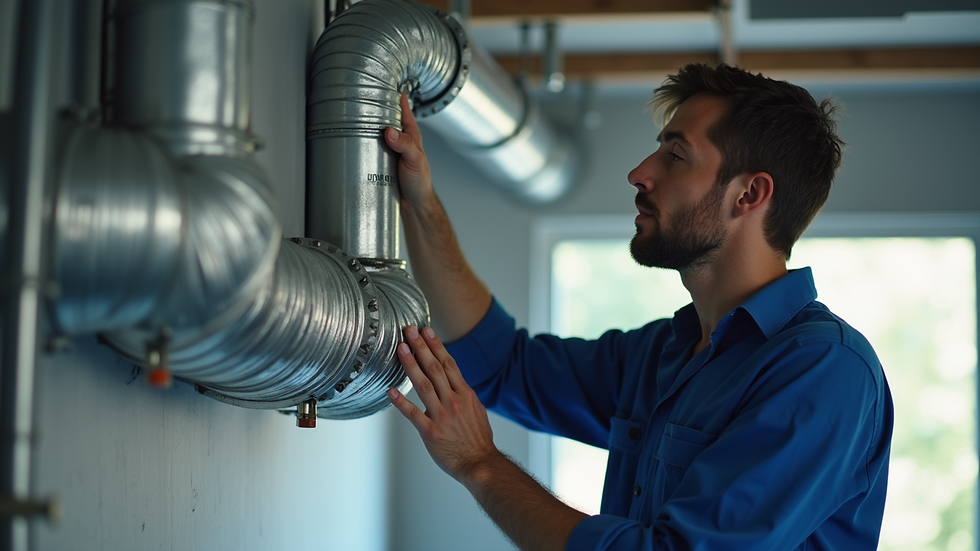
How to Prepare Your Space for HVAC Installation
Before the installation team arrives, a little prep work can make the process smoother and faster.
Clear the area: Remove furniture, boxes, or obstacles near the installation site.
Check electrical connections: Ensure your electrical panel can handle the new system’s load.
Inspect existing ductwork: Repair leaks or damage beforehand.
Plan for ventilation: Make sure there’s adequate airflow around the unit.
Discuss your needs: Communicate any special requirements or preferences with your installer.
Being proactive helps avoid delays and unexpected costs. Plus, it ensures your new system fits perfectly and works efficiently from day one.
Why Professional Heating and Cooling Installation is Worth It
I can’t stress enough how important it is to trust the pros for your heating and cooling installation. DIY might seem tempting, but HVAC systems are complex and require precise setup.
Here’s what professionals bring to the table:
Expertise: They understand the technical details and local regulations.
Proper tools: Specialized equipment ensures accurate installation.
Safety: Handling refrigerants, electrical wiring, and gas lines safely is critical.
Warranty protection: Many manufacturers require professional installation to keep warranties valid.
Long-term savings: A well-installed system runs efficiently and lasts longer.
Choosing a trusted local expert means you get reliable service tailored to Ottawa’s climate and your specific needs. It’s an investment that pays off in comfort and peace of mind.
Keeping Your System Running Smoothly Year-Round
Once your system is installed, maintaining it is key to preserving efficiency and comfort.
Change filters regularly: Dirty filters reduce airflow and strain the system.
Schedule seasonal tune-ups: Professionals can spot issues before they become costly repairs.
Monitor thermostat settings: Avoid drastic temperature changes that overwork your system.
Keep vents clear: Don’t block air registers with furniture or curtains.
Inspect outdoor units: Remove debris and ensure proper clearance.
A little care goes a long way in extending your HVAC system’s life and keeping your space comfortable no matter the season.
Installing an efficient heating and cooling system is one of the best decisions you can make for your home or business. With the right approach, expert help, and ongoing care, you’ll enjoy a cozy, energy-smart environment all year long. Ready to get started? Reach out to your local HVAC professionals and take the first step toward comfort and savings today!


Comments