


Efficient HVAC System Installations for Canadian Homes: Residential HVAC Tips

When it comes to keeping your home comfortable throughout the year, having an efficient HVAC system is a game-changer. In Canada, where winters can be harsh and summers surprisingly warm, a reliable heating, ventilation, and air conditioning system is essential. I’m here to share some practical insights and residential HVAC tips that will help you understand the importance of proper installation and maintenance. Let’s dive in!
Why Efficient HVAC Systems Matter in Canadian Homes: Residential HVAC Tips
Living in Ottawa or anywhere in Canada means dealing with extreme temperature swings. Your HVAC system is your home's backbone for comfort. An efficient system not only keeps you cozy in winter and cool in summer but also helps reduce energy bills. Here’s why efficiency matters:
Energy Savings: A well-installed HVAC system uses less energy, which means lower utility bills.
Environmental Impact: Efficient systems reduce your carbon footprint by consuming less power.
Longevity: Proper installation extends the life of your HVAC equipment.
Consistent Comfort: No more cold spots or overheated rooms.
For example, upgrading to a high-efficiency furnace or air conditioner can save you hundreds of dollars annually. Plus, with Ottawa’s cold winters, a reliable heating system is non-negotiable.
Choosing the Right HVAC System for Your Home
Selecting the right HVAC system is the first step toward efficient home comfort. Here are some key factors to consider:
Size Matters
An HVAC system that’s too small won’t heat or cool your home properly. Too large, and it will cycle on and off too frequently, wasting energy. A professional can perform a load calculation to determine the perfect size for your home.
Energy Efficiency Ratings
Look for systems with high Seasonal Energy Efficiency Ratio (SEER) and Annual Fuel Utilization Efficiency (AFUE) ratings. These numbers indicate how well the system converts energy into heating or cooling.
Fuel Type
Depending on your location and preferences, you might choose electric, natural gas, or oil-powered systems. Natural gas is common in Ottawa and tends to be cost-effective.
Zoning Options
Zoning allows you to control temperatures in different parts of your home independently. This feature can improve comfort and save energy.
Smart Thermostats
Pairing your HVAC system with a smart thermostat can optimize performance and reduce waste by learning your schedule and adjusting temperatures automatically.
The Importance of Professional HVAC System Installation
Installing an HVAC system is not a DIY project. It requires expertise to ensure everything runs smoothly and efficiently. Here’s why professional installation is crucial:
Correct Sizing and Placement
Professionals ensure your system is sized correctly and placed in the optimal location for airflow and efficiency.
Proper Ductwork Design
Leaky or poorly designed ducts can cause significant energy loss. Experts seal and insulate ducts to maximize performance.
Safety Checks
Gas furnaces and other fuel-burning appliances need careful installation to prevent leaks and ensure safe operation.
Warranty Protection
Many manufacturers require professional installation to keep warranties valid.
If you’re considering a new system, I highly recommend consulting with a trusted HVAC company. They can guide you through the process and handle the hvac system installation with precision.

Maintaining Your HVAC System for Long-Term Efficiency
Once your system is installed, maintenance is key to keeping it running efficiently. Here are some simple yet effective tips:
Change Filters Regularly
Dirty filters restrict airflow and reduce efficiency. Replace them every 1-3 months depending on usage.
Schedule Annual Tune-Ups
A professional inspection and cleaning can catch small issues before they become costly repairs.
Keep Outdoor Units Clear
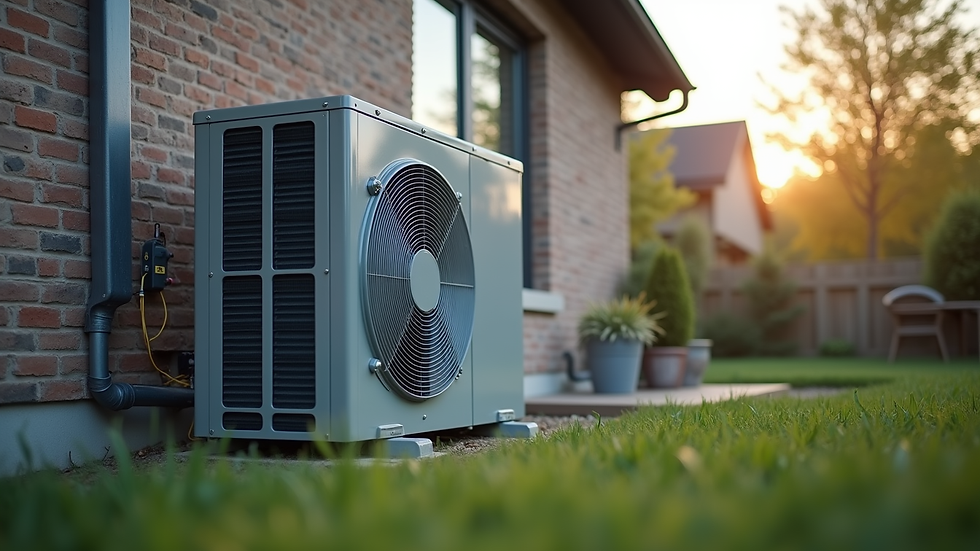
Remove debris, leaves, and snow from around your outdoor condenser or heat pump.
Monitor Thermostat Settings
Avoid drastic temperature changes and use programmable settings to save energy.
Seal Windows and Doors
Prevent drafts that make your HVAC system work harder.
By following these tips, you’ll enjoy consistent comfort and lower energy bills year-round.
Upgrading Your HVAC System: When and Why?
Sometimes, even the best maintenance can’t save an old system. Here are signs it might be time to upgrade:
Rising Energy Bills
If your bills keep climbing despite regular maintenance, your system may be inefficient.
Frequent Repairs
Constant breakdowns add up in cost and inconvenience.
Uneven Heating or Cooling
If some rooms are always too hot or cold, your system might be struggling.
Age of the System
Most HVAC systems last 10-15 years. Beyond that, newer models offer better efficiency and features.
Upgrading can improve your home’s comfort and reduce your environmental impact. Plus, many local utilities offer rebates for energy-efficient equipment.
Making Your Home Comfortable All Year Long
An efficient HVAC system installation is the foundation of year-round comfort. But don’t forget these additional tips:
Use Ceiling Fans
Fans help circulate air and reduce the load on your HVAC system.
Insulate Your Home
Proper insulation keeps warm or cool air inside, making your system’s job easier.
Install Window Treatments
Curtains and blinds can block heat in summer and retain warmth in winter.
Consider Humidity Control
Humidifiers and dehumidifiers improve indoor air quality and comfort.
By combining these strategies with a well-installed HVAC system, you’ll create a cozy, energy-efficient home no matter the season.
I hope these residential HVAC tips help you make informed decisions about your home’s heating and cooling needs. Remember, investing in a quality system and professional installation pays off in comfort, savings, and peace of mind. If you’re ready to upgrade or need expert advice, don’t hesitate to reach out to local professionals who know Ottawa’s unique climate challenges inside and out!


Comments